

The pursuit of birds and healthspan
Avocations that inspire us and bring us joy can be a kind of “stealth physical therapy.” It’s like you’re not even aware that you’re working out.
When I maintain my prized 40-year-old Ford F-150, I have to squat a bit to inspect the brakes, and I get a lot of stretches reaching over the engine. Both are good subtle exercises, and they feel effortless because I’m doing what I enjoy.
It’s the same with birding.
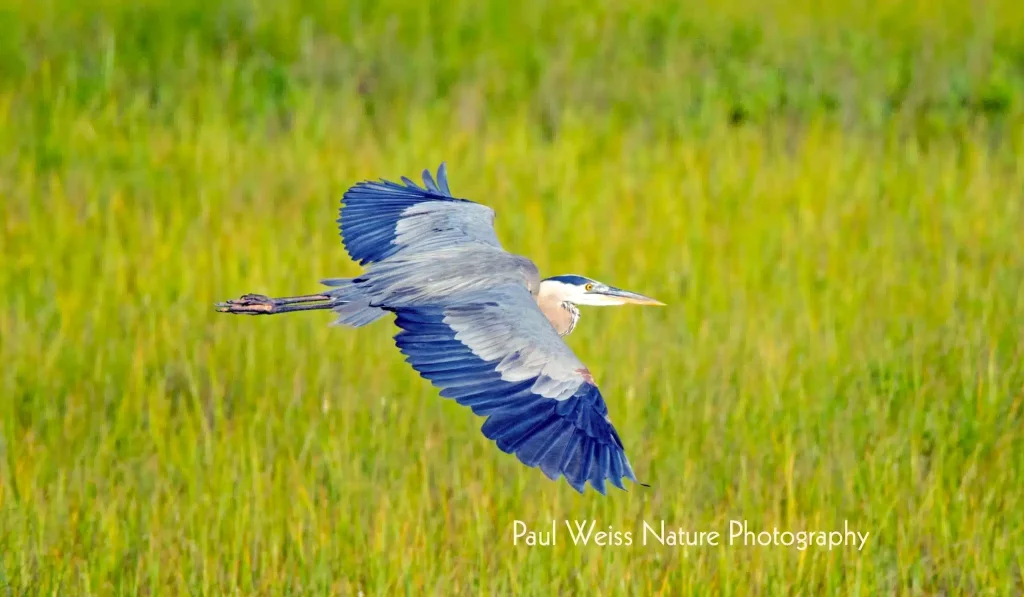
A lot of my best photography is avian. I’ve written before about the squats, bends, and stretches of photographing wildlife. Birdwatching itself, even without photography, also makes us use our muscles in positive ways.
Plus, bringing everyone closer to nature gives back to society: a greater appreciation for the billions of birds sharing our world, an understanding of wildlife habitats, and a stronger commitment to environmental protection. Birds are an important indicator of environmental health. Being closer to birds is pleasant in itself, for their songs, habitats, and fascinating behavior.
All of this adds up to a positive outing for general wellness and for our long-term healthspan.
Little wonder it’s one of America’s most popular hobbies.
According to the US Fish and Wildlife Service:
“If birders in the U.S. formed their own country, their numbers would surpass the populations of most nations worldwide. The most recent data shows that 96 million people (or 3 out of 10 Americans) engaged in birding, making up 37% of the population aged 16 and older.”
But can everyone enjoy it? Birding has a low cost of entry, but mobility can make it harder for some.
Innovative nonprofit makes birding more inclusive
Anyone can take up birding, even if your mobility is an issue.
Recently, Angie and I learned about Birdability, a relatively new, mostly volunteer-run nonprofit dedicated to making birding inclusive for people with different mobility needs.
The organization was founded by Virginia Rose, who began birding in her early forties. As a paraplegic, Rose does her watching from a manual wheelchair.
“Birding provided a joy I’d not experienced before and a corresponding passion to learn, teach, and actively protect the birds and their habitats,” said Rose in her 2024 interview with Audubon Texas.
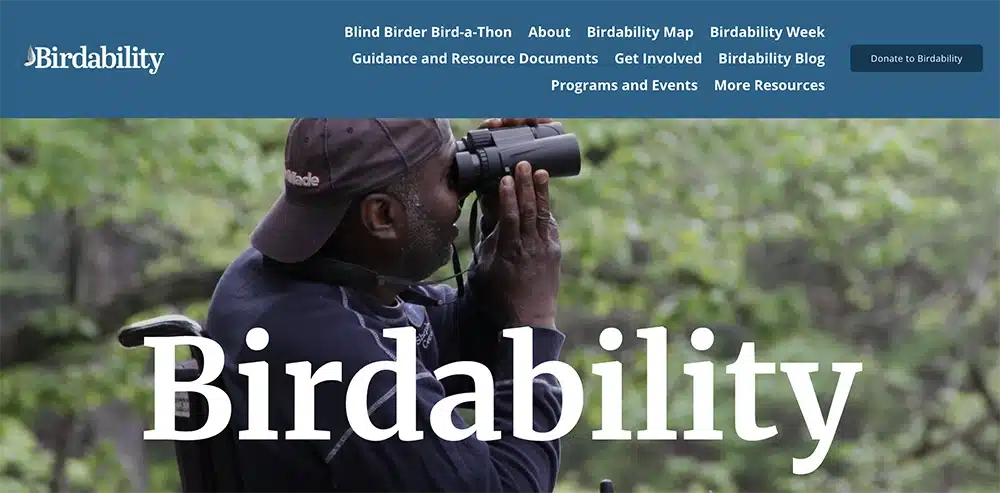
Birdability checks a bunch of boxes for our Cedar Hill wellness and environmental ethos.
Its website sums up the mission in “three spokes”:
- Improve the physical accessibility of birding locations.
- Empower a welcoming and inclusive birding community.
- Introduce people with access challenges to birding.
I love this, and it got me looking at our local public parks. Many are excellent spots for birding, and while some obstacles remain for people with mobility issues, Greensboro Parks and Recreation has made progress on accessibility in its outdoor spaces.
Below are some of our area’s best birdwatching locations, followed by a list of parks offering accessible amenities.
Best public parks around Greensboro for birdwatching
| Park | Why it’s a good choice |
| Richardson-Taylor Preserve | Mature forests, wetlands and beaver marshes attract woodland and wetland birds. |
| Bog Garden at Benjamin Park | Excellent year-round birding, particularly waterfowl and woodland birds. Elevated boardwalk through wetlands. |
| Price Park | Woodlands, meadows, and bird-and-butterfly habitat attract songbirds and seasonal migrants. |
| Bur-Mil Park | Lake Brandt shoreline, woods, and open areas provide varied bird habitat. |
| Country Park | Two lakes and wooded areas attract waterfowl and woodland birds. Convenient for casual birding. |
| T. Gilbert Pearson Audubon Natural Area | Quiet, wooded and creekside habitat for birders seeking a less-developed setting. |
Best Greensboro-area parks for accessibility
| Park | Accessibility highlights |
| Keeley Park | Accessible playground, paved trails, inclusive fitness equipment, fishing pier, restrooms, and parking. |
| Country Park | Paved walking routes, accessible fishing areas, picnic facilities, and restrooms. Some routes have hills. |
| Greensboro Arboretum | Paved garden paths and accessible facilities. Some secondary surfaces may challenge wheelchair users. |
| Lake Daniel Park | Paved greenway along the creek and accessible recreation amenities. |
| Atlantic & Yadkin Greenway | Paved multiuse route connecting parks and natural areas, suitable for longer wheelchair-accessible outings. |
| LeBauer Park | Accessible paths, inclusive play features, and nearby downtown amenities. |
| Tanger Family Bicentennial Garden | Paved garden paths and a pleasant, relatively compact walking experience. |
Please note: A park with accessible features isn’t necessarily accessible throughout. For example, the Bog Garden has some accessible areas, but stairs and certain walkways may prevent wheelchair access to all sections.