Cedar-Hill-Physical-Therapy-Greensboro-NC

Fall prevention is the #1 thing your physical therapist can address to extend your healthspan, and your life
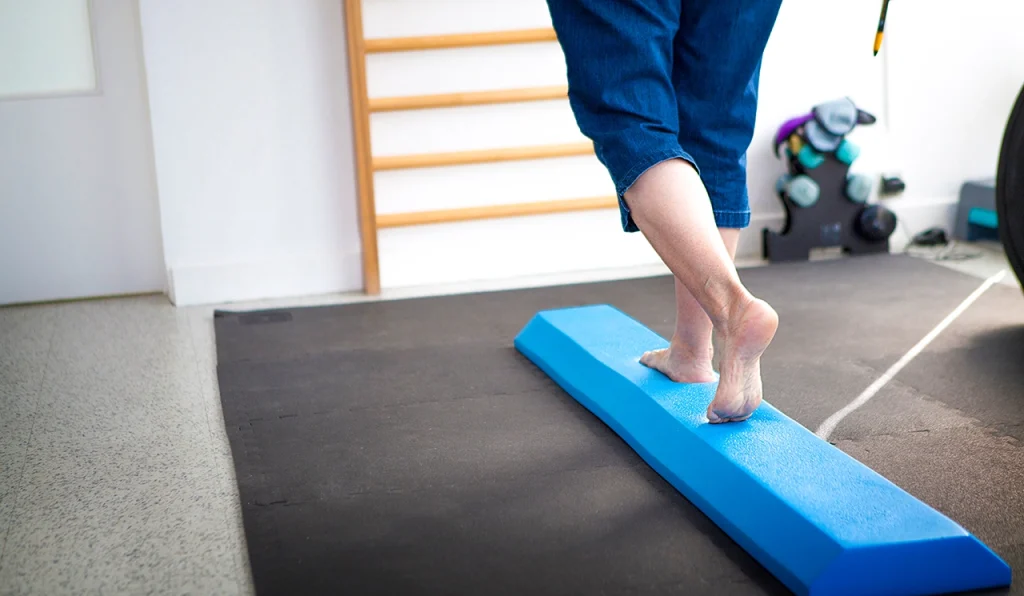
Fall prevention is the #1 thing your physical therapist can address to extend your healthspan, and your life

Fall prevention is the #1 thing your physical therapist can address to extend your healthspan, and your life

Fall prevention shouldn’t begin when you’re old enough to fall. It should begin while you’re young enough to improve the strength, balance and mobility that help keep you from falling.

If you’re over 55, or plan to be over 55 someday, it’s time to start thinking about fall prevention. Because as your body ages, falls can start a domino effect with a negative impact on your healthspan.

Remember: healthspan is, “The length of time in one’s life during which an individual is in reasonably good health. Can you do all the things you want to?”

Consider the broken hip “domino.” A lot of healthspans end prematurely in the months and years after a hip fracture. Restoring function after a hip fracture can be a daunting task. This time is lost healthspan. You’re alive, but you’re not doing what you want to be capable of doing.

For a deeper dive on this, The Journal of Nutrition, Health & Aging published a helpful article in 2026, titled, “Falls and Frailty Transitions in Older Adults: A Multi-state Analysis of a National Longitudinal Cohort.” It looks at connection between falls and transitions as they relate to “frailty states” and mortality among older adults.

Physical therapy intervension can stop the dominos from falling.

Of course, physical therapy can help

Falls are sometimes symptoms of underlying maladies and sometimes they’re the result of obstacles or risky behavior, such as ladders.

For the accidental varieties everyone should fall-proof their home, with an eye for loose carpets, general clutter, extension cords, poor lighting on steps, etc. And you should think twice about activities like house painting above the ground floor.

The symptomatic falls are more complicated. Diseases such as Parkinson’s alter balance, and with diabetes, peripheral neuropathy causes a lack of sensation of where your foot is in space (proprioception) increases the risk of falling. Impaired vision from diabetes also causes impaired balance.

And even if you’re free of specific diseases, the normal aging process can diminish your balance.

We work with all of the above patients, helping them with therapeutic exercise. If you’ve had a fall, getting therapy sooner is always better than later. Schedule an appointment as soon as possible.

We also offer a preventive approach, working with all of the above situations to improve balance with exercises and movement workarounds to head off future tumbles.

If you want to avoid falling dominoes, we have an assessment of balance benchmarks to see where you are right now and suggest exercises maintain or improve good balance.

Paul The Physical Therapist’s Balance Benchmarks

Here are the basic tests we observe to determine a person’s balance.

  • Getting up from a seated position, you should be able to rise on your first try without using your hands and stand up straight while remaining stable.
  • Sitting down: You should be able to sit down with a controlled descent with minimal (preferably no) use of the hands.
  • You should be able to reach forwards with both hands with good balance and stability.
    • Stand up straight facing a wall at arm’s length.
    • Step back a little. Can you still reach the wall?
    • The benchmark is 10”.
  • You should be able to, from a standing position, reach down and pick up a slipper.
  • You should be able to:
    • Stand with your feet close together and your eyes closed.
    • Turn your body and look over either shoulder.
    • Turn in a circle in either direction in ≤ 4 seconds.

If you can handle each of these with confidence, you’re doing great. But if any of the benchmarks are challenging, don’t freak out. Physical therapy can help you improve.

You can make an appointment—telehealth or in-person—to get a balance-building consultation.